January 14, 2026
In the modern landscape of civil engineering and urban development, the concept of sustainability has shifted from a secondary consideration to a fundamental requirement. Nowhere is this more evident than in the way we build and maintain our transportation networks. As we navigate 2026, the focus of the construction industry has moved beyond simply laying new materials to the sophisticated art of reclaiming the old. Asphalt recycling represents a triumph of the circular economy, proving that the roads of yesterday can serve as the high-performance foundations of tomorrow. By understanding the science behind this process, property owners and municipal planners can make more informed decisions about their infrastructure. A partnership with a forward-thinking paving company is no longer just about hiring labor; it is about engaging with a team that understands how to leverage recycled materials to create more durable, cost-effective, and environmentally responsible surfaces.
Understanding the Fundamentals of Asphalt Reclamation
To understand asphalt recycling, one must first understand the structural nature of the material itself. Asphalt is a composite mixture of stone, sand, and gravel, known collectively as aggregates, which are held together by a sticky, petroleum-based binder called bitumen. Unlike many other construction materials that degrade irrevocably over time, the bitumen in asphalt retains much of its adhesive properties even after years of exposure to traffic and the elements. When a paving company removes an old road surface, that material is known as Reclaimed Asphalt Pavement, or RAP. This substance is not waste in the traditional sense; instead, it is a valuable resource containing pre-processed stone and aged bitumen that can be scientifically rejuvenated to meet modern standards.
In the current year of 2026, the industry has perfected the ability to analyze the chemical composition of RAP with incredible precision. This allows engineers to add specific rejuvenating agents that restore the old binder to its original flexibility and strength. This chemical restoration ensures that the final recycled product is often indistinguishable from virgin asphalt mix. In some laboratory tests, recycled mixes have even shown superior resistance to rutting and moisture damage compared to entirely new mixtures.
Examining the Intricate Stages of the Recycling Process
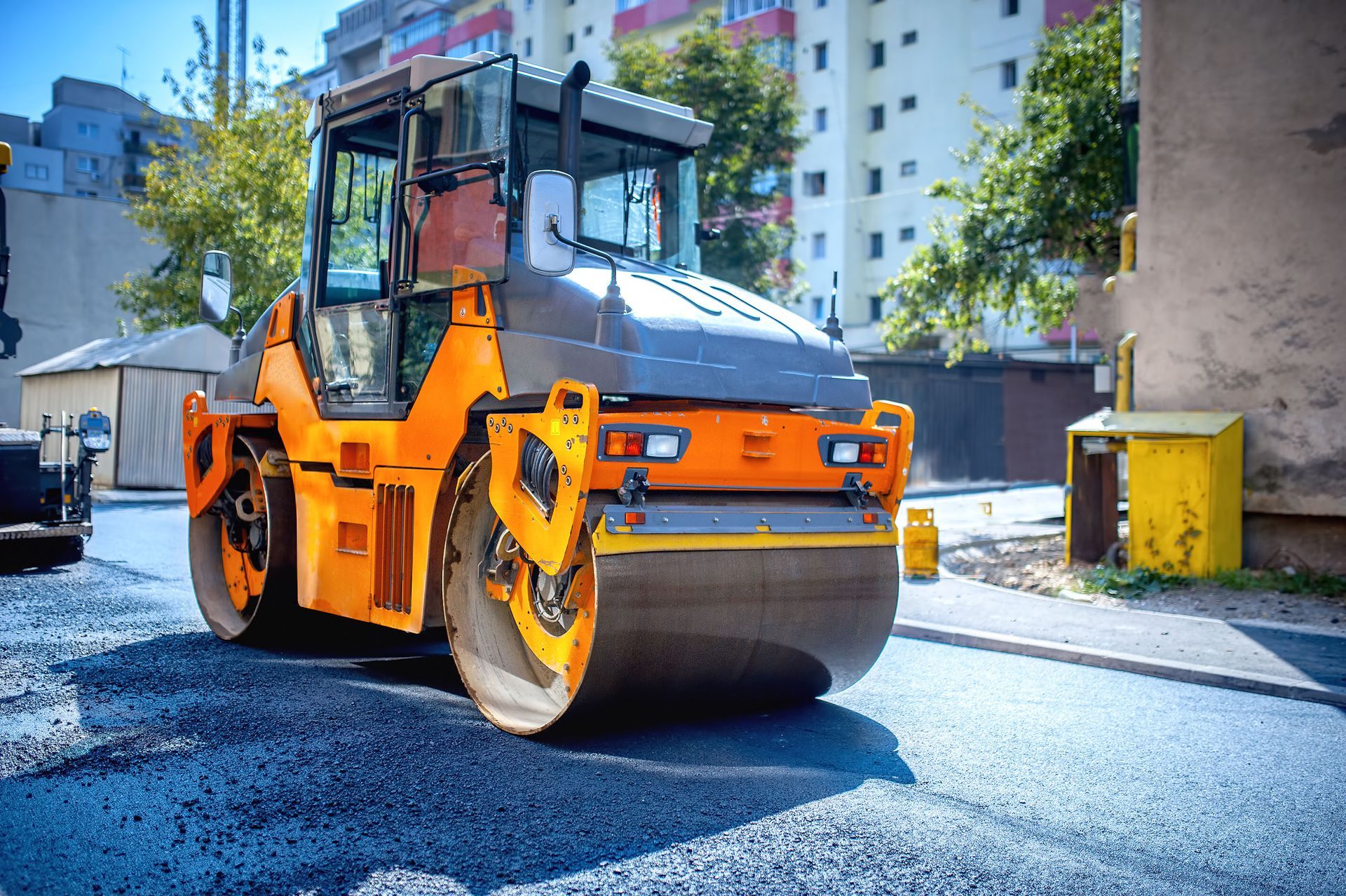
The journey from a cracked, pothole-ridden road to a smooth, new surface involves several highly technical stages that require heavy machinery and specialized knowledge. The process typically begins with milling, which is a method where a massive machine equipped with a rotating drum of carbide teeth grinds the top layer of the existing pavement. This method is preferred by any modern paving company because it allows for the precise removal of damaged layers without disturbing the underlying sub-base. By milling only the necessary depth, contractors can maintain the original curb height and drainage patterns while preparing a perfectly textured surface for the new application.
Once the material is collected, it is either transported to a central recycling plant or processed directly on-site using mobile recycling trains. One of the most common methods used today is Hot-In-Place Recycling. This involves heating the existing pavement with infrared heaters, scarifying the softened material to a certain depth, and mixing it with a small amount of new binder or rejuvenators before relaying it immediately. This process is highly efficient for correcting surface-level defects like oxidative cracking or minor depressions. A different approach is Cold-In-Place Recycling, which does not require the use of heat. Instead, the old pavement is crushed and mixed with an emulsion or foamed asphalt to create a stabilized base.
Identifying the Broad Advantages of Sustainable Materials
The shift toward recycling is driven by a powerful combination of ecological necessity and financial logic. From an environmental standpoint, the impact of the asphalt industry is a remarkable success story that often surprises the public. According to research from Carolina Asphalt, the pavement industry has reached a point where asphalt is the most recycled material in the United States, with tens of millions of tons being reclaimed and repurposed annually. This high rate of recovery significantly reduces the demand for new quarrying of stone and the intensive extraction of crude oil required for bitumen production. Because RAP is often processed locally or even right on the street being repaired, the carbon footprint associated with transporting heavy materials over long distances is drastically lowered.
Economically, the benefits of this circular approach are equally compelling for both the public and private sectors. Because the aggregate and binder are already present in the reclaimed material, a paving company can often offer more competitive pricing for projects that utilize high-percentage recycled mixes. For municipalities and commercial property managers, these savings are essential for addressing infrastructure maintenance backlogs.
Evaluating the Essential Contributions of a Paving Company
The technical success of a recycling project rests heavily on the expertise of the contractors involved in the execution. A professional paving company acts as the vital bridge between laboratory science and field application. They are responsible for conducting the initial site assessment to determine if the existing pavement is a suitable candidate for recycling. If the sub-base is failing due to poor drainage or unstable soil, simply recycling the surface will not solve the structural issues. The contractor must have the integrity to recommend a deeper stabilization if the situation warrants it, ensuring that the recycled surface has a solid foundation upon which to rest.
Furthermore, a reputable paving company must invest in the specialized equipment and staff training required to handle modern recycled mixes. Recycling requires more precise temperature control than traditional paving, as the aged bitumen in the RAP can be sensitive to overheating. Modern contractors utilize computerized batch plants that can precisely meter the amount of RAP into the mix, ensuring that every ton of material laid meets rigorous safety and longevity standards. By maintaining strict quality control, these companies ensure that the recycled road performs just as well as a road made from virgin stone and oil, giving the property owner peace of mind and a significant return on investment.
Predicting the Future Trends of Pavement Technology
As we look toward the end of this decade, the evolution of asphalt recycling continues to accelerate with innovations. We are increasingly seeing the integration of other recycled materials into the asphalt mix to enhance its properties. For instance, ground tire rubber from old car tires is being added to create "rubberized asphalt," which reduces road noise and increases the pavement's ability to resist cracking in cold climates. Some experimental projects are even utilizing processed waste plastics as a binder modifier, further diverting non-biodegradable waste from the ocean and landfills.
A forward-thinking paving company is likely already experimenting with bio-binders, which are plant-based oils that can replace traditional petroleum-based bitumen entirely. When these sustainable binders are combined with 100% recycled aggregate technology, the industry approaches a future where road construction could become a carbon-neutral endeavor. Additionally, the rise of smart pavement initiatives is exploring how recycled surfaces can be embedded with sensors to monitor traffic flow and structural health in real-time. The role of the paving company is evolving from a simple service provider to a technology partner, helping communities build infrastructure that is not only smooth and safe but also inherently intelligent and sustainable.
Committing to a More Sustainable Transportation Network
Asphalt recycling stands as a testament to what is possible when industrial innovation meets environmental stewardship. By transforming old, weathered surfaces into high-quality, resilient roads, we conserve our natural resources and protect our collective economic interests. The process is a sophisticated scientific cycle that benefits every stakeholder, from the taxpayer to the property developer. It is a clear example of how modern engineering can solve the problems of the past while preparing for the demands of the future.
Choosing to work with a knowledgeable
paving company is the most critical step for any property owner or manager looking to participate in this sustainable revolution. These professionals have the specialized tools and the technical talent to ensure that your project is built to last, using materials that respect the planet’s boundaries. As we move forward through 2026 and beyond, the second life of our roads will become the global standard, proving that the best way to move into the future is to intelligently and creatively repurpose the past. If you're looking for a reputable paving contractor, reach out to the team at WR Cade Paving today!