February 13, 2026
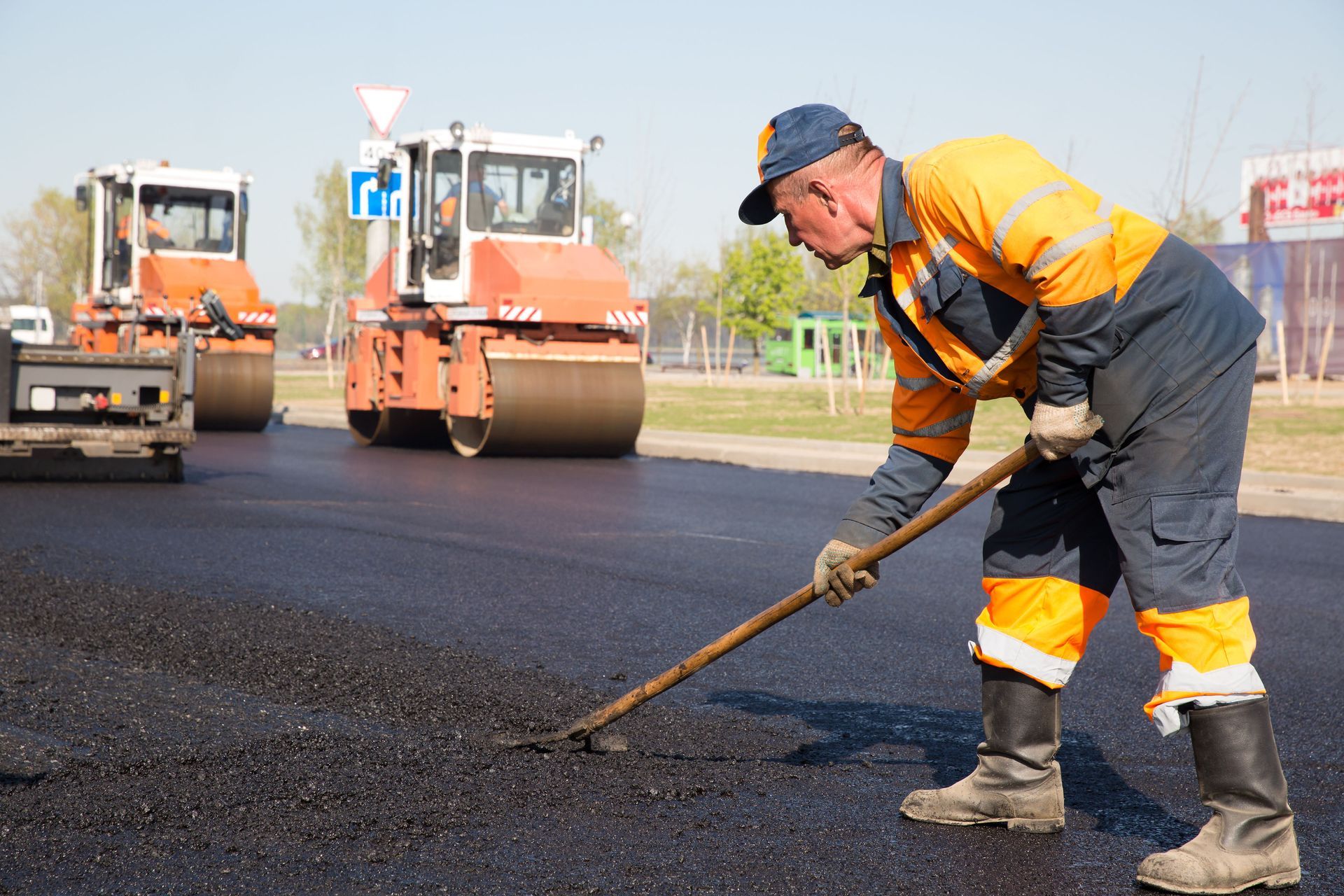
When you watch a professional team arrive at a job site, the immediate focus is usually on the heavy machinery and the steaming, dark material being spread across the earth. It is easy to get caught up in the visual transformation of a crumbling driveway or a dusty lot into a sleek, jet-black surface. However, the true success of any project depends on what remains hidden from the naked eye. A high-quality paving company knows that the longevity of a surface is decided long before the final layer is applied.
Understanding the anatomy of a pavement structure helps property owners appreciate why certain steps take longer than others. It is not just about the top layer that you walk or drive on; it is about a complex, multi-layered system designed to manage weight, shed water, and resist the natural shifts of the earth.
The Foundation of Structural Integrity
The process begins with the subgrade, which is the natural soil found on-site. Before any material is brought in, a paving company must evaluate the stability of the earth. If the soil is too soft, contains too much clay, or holds too much moisture, even the thickest layer of asphalt will eventually fail. Engineers and technicians focus on clearing away organic debris and compacting the soil to create a stable, unyielding platform.
Without a dense, uniform subgrade, the pavement above is destined to shift and crack as the ground settles. In some cases, if the natural soil is of poor quality, it must be removed entirely and replaced with more stable earth. This ensures that there are no "soft spots" that could lead to depressions later. The goal is to create a surface that behaves like a solid floor, providing a reliable stage for the subsequent layers of stone and asphalt.
The Role of Base Aggregates
Once the soil is prepared and compacted, a thick layer of crushed stone or aggregate is introduced. This layer acts as the skeletal system of the driveway or parking lot. The stones are specifically graded to lock together, creating a bridge that distributes the weight of heavy vehicles across a wider area of the soil below. This distribution prevents "rutting," which occurs when heavy tires push the pavement down into soft spots. By using various sizes of stone, a paving company ensures that there are minimal voids in the structure, leading to a firm and unyielding foundation.
This aggregate base also provides a level of flexibility. Unlike a rigid slab of glass, a well-built pavement system needs to be able to "breathe" slightly with the changing temperatures. The interlocking stones provide this minor flexibility while maintaining massive load-bearing strength. This layer is often rolled and vibrated until it is nearly as hard as concrete, ensuring that the asphalt poured on top has a perfectly level and sturdy surface to bond with.
The Importance of Water Management
Water is the primary enemy of any paved surface. If moisture is allowed to sit underneath the asphalt, it can soften the base and lead to rapid deterioration. Professional installers design the sub-layers with a specific pitch or slope to ensure that water migrates away from the center and toward the edges or drainage systems. This hidden engineering prevents the "pumping" effect, where water trapped under the surface is forced upward by the weight of traffic.
When water gets trapped, it erodes the fine particles in the stone base, eventually causing the surface to collapse into a pothole. Furthermore, in colder climates, trapped water will freeze and expand, pushing the pavement upward in an action known as a frost heave. A knowledgeable paving company spends a significant amount of time ensuring that the subgrade and base layers allow for proper moisture migration, keeping the structure dry and stable regardless of the weather outside.
The Sustainable Nature of Modern Materials
Modern paving is not just about strength; it is also about environmental responsibility and the efficient use of resources. Many people are surprised to learn how often materials are reused in this industry. According to Carolina Asphalt, asphalt pavement is the most recycled material in the U.S., with tens of millions of tons reclaimed annually. By incorporating recycled content into the mix, a paving company can provide a durable product while reducing the need for new mining and oil extraction.
This recycling process happens deep within the production phase, where old pavement is ground down into "RAP" (reclaimed asphalt pavement) and blended with new materials. This ensures that the reclaimed material performs just as well as virgin stone and binder. This sustainable cycle not only helps the environment but also keeps the costs of paving projects more manageable for homeowners and business owners alike, as it reduces the reliance on entirely new raw materials for every project.
The Science of the Wearing Course
The final layer, known as the wearing course or surface course, is what you actually see and drive upon. While the layers beneath provide the strength, this top layer is designed for smoothness, friction, and aesthetics. It uses smaller aggregates and a higher concentration of asphalt cement to create a tight, non-porous finish. This layer acts as the primary shield, protecting the structural layers beneath from the sun’s UV rays and direct contact with rain and snow.
When a paving company applies this final layer, they are essentially "capping" the engineering work they have done underground. The smoothness of this layer is vital for the comfort of drivers and the safety of pedestrians. However, without the foundation layers we have discussed, this smooth surface would quickly become uneven. The synergy between the invisible foundation and the visible surface is what creates a high-performing driveway that can withstand decades of use.
Longevity Through Professional Maintenance
Even the most perfectly engineered pavement requires care to stay healthy. Once the paving company has completed the installation, the responsibility shifts to maintenance. Regular sealcoating, for example, acts like a coat of paint on a wooden house, protecting the asphalt from oxidation. When asphalt oxidizes, it loses its flexibility and becomes brittle, which makes it much more likely to crack under the weight of a vehicle.
Periodic inspections are also vital. By catching a small crack early, a professional can fill it before water has a chance to seep down into that carefully constructed stone base we discussed earlier. Keeping the water out is the single most important thing a property owner can do to protect their investment. If the foundation remains dry and the surface remains sealed, the lifespan of the pavement can be extended significantly, deferring the need for a total replacement for many years.
The beauty of a new driveway or parking lot is undeniable, but the real value lies in the invisible work performed by your paving company. From the initial compaction of the soil to the strategic layering of recycled aggregates and binders, every step is a calculated move to fight against the elements and the passage of time.
A pavement built on a weak foundation is a temporary fix, while a pavement built with proper subsurface engineering is a long-term asset. By understanding what happens "beyond the surface," property owners can make more informed decisions and choose contractors who prioritize the integrity of the base as much as the look of the finish.
When you are ready to ensure your project is built to last from the bottom up, reach out to the experts at WR Cade Paving to schedule a consultation and see the difference that professional preparation makes.