July 13, 2026
Driveways are integral to the functionality and aesthetic appeal of homes, and a thoughtful driveway paving plan can improve both everyday use and curb appeal. Choosing between asphalt and concrete for resurfacing or replacing can significantly impact durability, cost, and design. This article delves into these considerations to help you make an informed decision.
1. Understanding the Basics: Asphalt vs. Concrete
1.1 Composition and Material Properties
Asphalt and concrete are the two primary choices for driveway paving, each with distinct composition and properties. Asphalt is a composite of aggregates, binder (often bitumen), and filler, making it flexible and ideal for colder climates. In contrast, concrete consists of a mixture of cement, sand, and gravel combined with water, leading to a rigid and durable surface suitable for warmer regions. The flexibility of asphalt helps it adapt to slight ground movements without cracking, which is key in regions with freeze-thaw cycles. On the other hand, concrete's strength provides longevity and can withstand heavier loads, but it might crack on unstable ground.
1.2 Lifespan and Durability
The lifespan of your driveway paving depends heavily on factors such as climate conditions, maintenance routines, and daily wear and tear. Generally, asphalt driveways have a lifespan of about 15-20 years, while concrete driveways can last 30 years or more when properly maintained. Asphalt's flexibility, while beneficial, can lead to quicker wear if not adequately cared for, needing more frequent maintenance to reach its full potential lifespan. Concrete, although initially more expensive, often returns its initial investment by needing less maintenance and offering a longer lifespan. Deciding on durability involves considering both the immediate and long-term usage and the care one is willing to invest in.
1.3 Environmental Impact
Environmental concerns are increasingly part of the decision-making process for home improvements like driveways. Asphalt, though energy-intensive due to its production process, can be recycled, reducing its carbon footprint. According to the Asphalt Pavement Alliance, about 80 million tons of asphalt are recycled every year in the U.S., making it the most recycled material in the country. Concrete, on the other hand, offers longer durability and energy efficiency, but its production, specifically the cement component, contributes significantly to CO2 emissions. Weighing these environmental considerations is crucial for those prioritizing ecological impact in their home renovations.
2. Cost Analysis
2.1 Long-term Maintenance Expenses
Long-term maintenance expenses can vary significantly between asphalt and concrete. Asphalt driveways, while cheaper to install initially, can accrue higher maintenance costs over time due to the regular sealing and potential repairs needed. Concrete, with its longer lifespan and durability, generally incurs fewer maintenance tasks, thus reducing long-term expenses. Owners should budget for periodic cleaning and sealing of concrete, which is less frequent and less costly annually than asphalt driveway paving maintenance. The economic trade-off between cost and maintenance highlights the importance of considering total ownership cost rather than just initial expenses.
Investing in driveway paving can enhance curb appeal and contribute to property value, offering a potential return on investment. While the upfront cost might be higher for concrete, its durability and low-maintenance make it an appealing option for long-term investment. Asphalt, favored for its lower initial expenses, provides an ROI through lower installation costs, attractive resurfacing options, and flexibility that protects it in fluctuating climates. Factors such as neighborhood trends, property value, and intended duration of homeownership should weigh on this investment decision. A well-chosen driveway can complement the home and even boost future resale value.
3. Resurfacing: When and Why
3.1 Signs Your Driveway Needs Resurfacing
Recognizing when driveway paving needs resurfacing can prevent more severe damage and costly repairs. Common signs include surface-level cracks, staining, or minor upheavals that do not penetrate the full depth of the driveway. Potholes, while serious, are manageable through resurfacing if the underlying structure remains solid. Regular inspections and noting these surface-level imperfections can aid in timing the resurfacing appropriately for maximum benefit. Addressing resurfacing needs swiftly after recognizing these signs can preserve the integrity of the driveway.
3.2 Advantages of Resurfacing
Resurfacing driveway paving offers numerous advantages that can enhance the appeal and lifespan of both asphalt and concrete surfaces. It is a cost-effective solution to refresh the driveway's appearance without the expense of full replacement. Resurfacing strengthens the surface layer, helping to protect against future wear and weathering, especially in harsh winter climates. Furthermore, resurfacing allows for aesthetic updates such as color or texture changes, elevating the property's aesthetic appeal. This approach can offer an extended life to an older driveway by reinforcing the existing surface.
3.3 Limitations of Resurfacing
Despite its benefits, resurfacing has limitations that should be considered when planning driveway paving maintenance. It cannot resolve deeply rooted structural issues, such as significant cracking, major potholes, or foundational instability. Resurfacing is also less effective if the driveway's base is compromised, as it may lead to the recurrence of surface issues. The layering can only solve problems at or near the surface, so severe underlying problems might require a total replacement. Homeowners need to weigh these limitations against their driveway’s specific condition and anticipated future durability.
3.4 Methods and Techniques
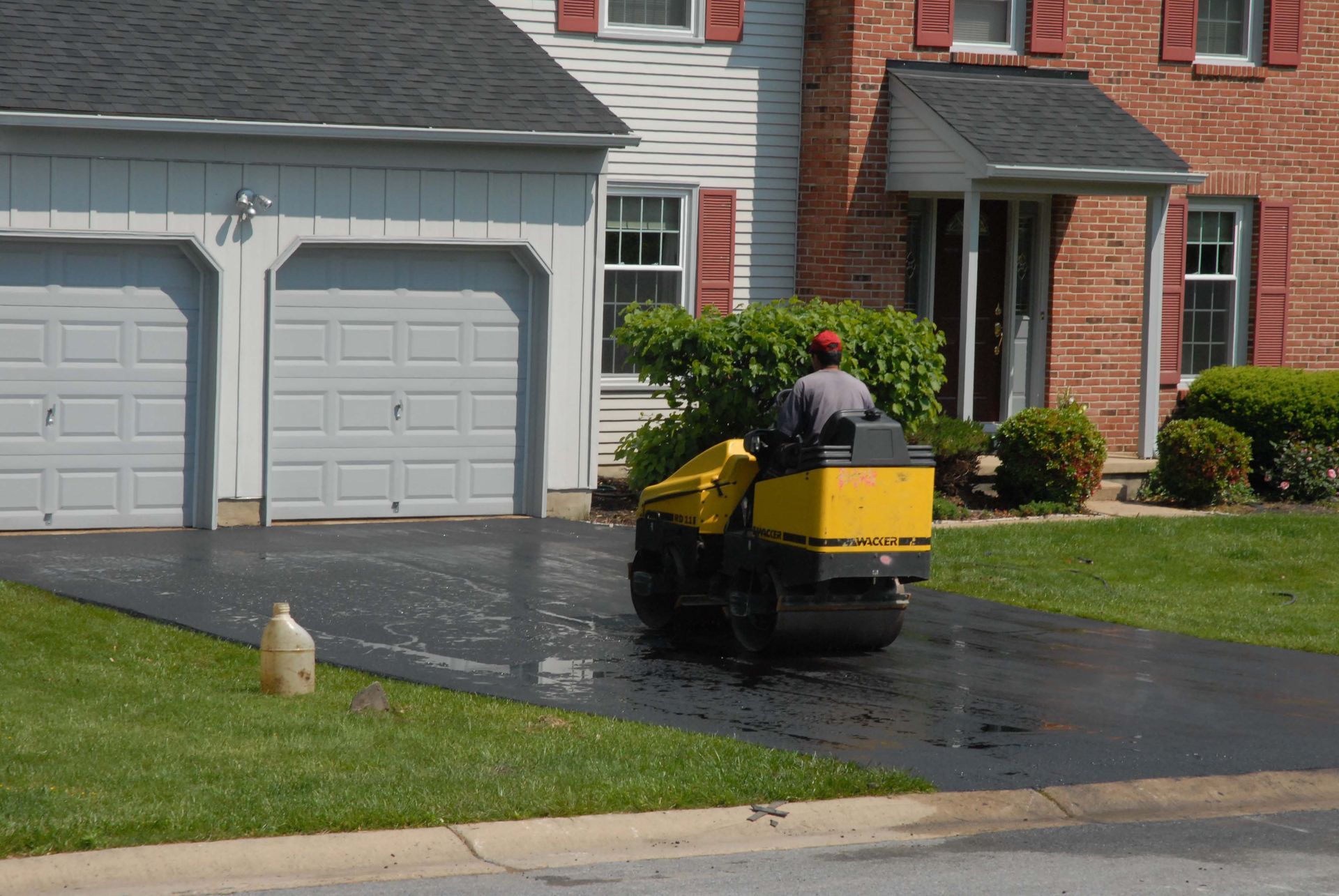
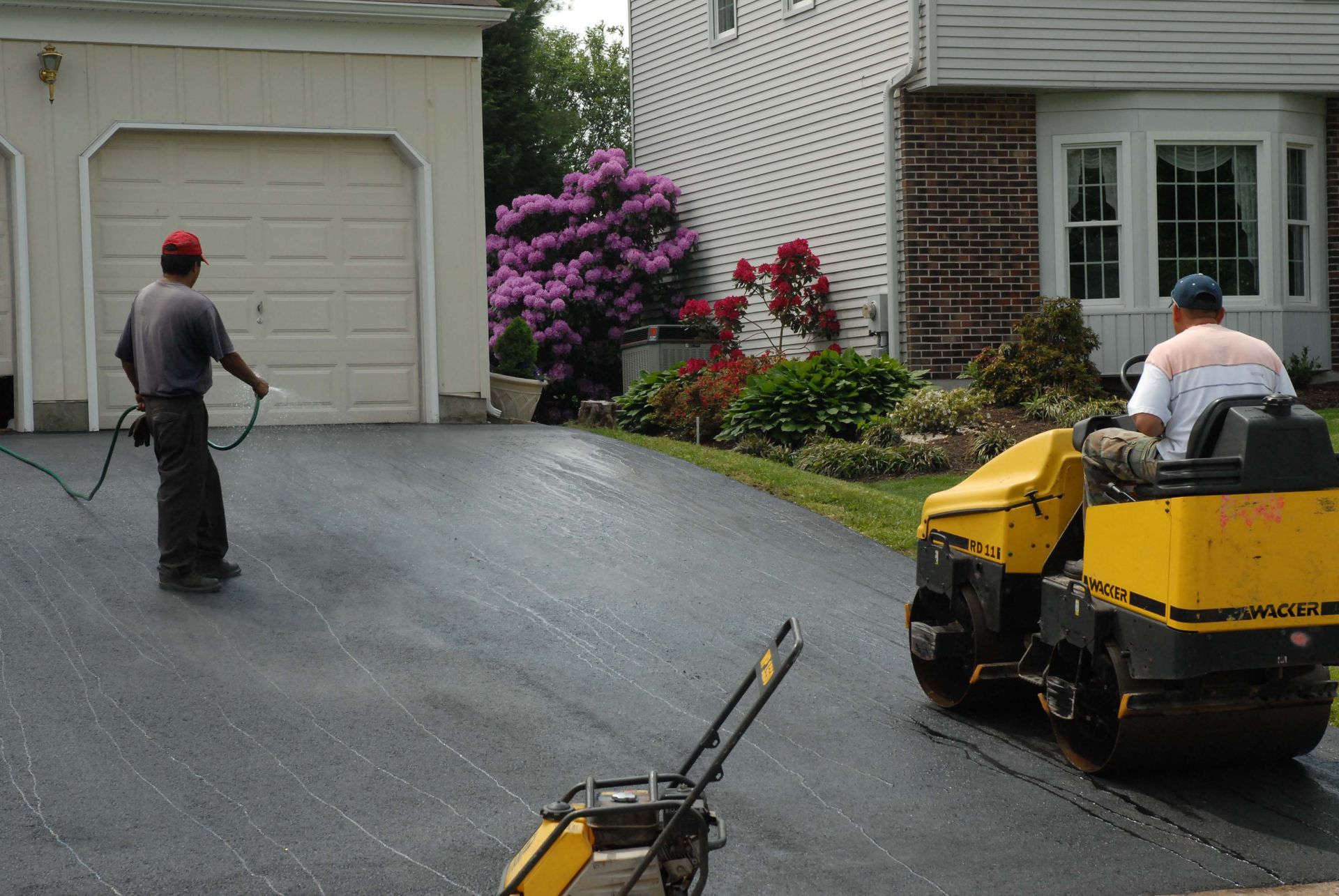
The driveway paving methodologies and techniques available for resurfacing can vary between asphalt and concrete. Asphalt resurfacing often involves applying an overlay, typically in the form of a hot mix, that covers the existing surface with a fresh layer. Concrete resurfacing options might include a micro-topping mix or a polymer-modified overlay to improve both appearance and functionality. Each material demands precise surface preparation to ensure adhesion and longevity of the resurface coating. The choice of technique should align with the driveway's present condition, usage, and desired outcome.
4. Replacement: Necessary or Not?
4.1 Identifying Severe Damage
Determining the need for a full driveway paving replacement involves assessing for severe damage that resurfacing alone cannot address. Severe cracking that affects the structural integrity or extensive potholes that compromise the surface are primary indicators. Other signs include drainage issues, leading to water pooling, which can exacerbate existing damage through freeze-thaw cycles. If areas of the driveway have significant sinking or upheaval, it can suggest foundational issues requiring complete removal and replacement. Consulting with a professional can help accurately diagnose and recommend the best course of action.
4.2 Benefits of Full Replacement
Though costly, a full driveway replacement offers immediate assurance of a stable, long-lasting surface. It provides an opportunity to correct underlying issues such as inadequate subgrade preparation or faulty drainage systems, ensuring a prolonged lifespan. Homeowners can select a new paving material or design that suits their evolving aesthetic and functional needs. Replacement removes all prior damage, allowing for a fresh start that eliminates the accumulation of past repairs. Additionally, a new driveway can significantly enhance property value due to its updated appearance and improved functionality.
Choosing between resurfacing and replacement depends on the current condition of your driveway, your budget, and your long-term goals for the property. Asphalt and concrete each offer valuable benefits, but the right choice comes down to how much damage is present, how long you plan to stay in the home, and how much maintenance you’re prepared to handle. Resurfacing can be a smart option when the base is still stable, while full replacement may be the better investment when cracks, drainage problems, or structural issues are too severe to repair effectively.
Professional driveway paving can help homeowners improve curb appeal, increase everyday functionality, and protect the value of their property. By evaluating material options, maintenance needs, costs, and future durability, you can make a decision that supports both your immediate needs and long-term plans. Whether you choose asphalt resurfacing, concrete resurfacing, or a complete replacement, working with experienced paving professionals can help you get a smooth, attractive, and dependable driveway that lasts. Contact WR Cade Paving today to learn more.